
Understanding Trauma: How It Affects Both Mind and Body

Single page feature img trauma piece

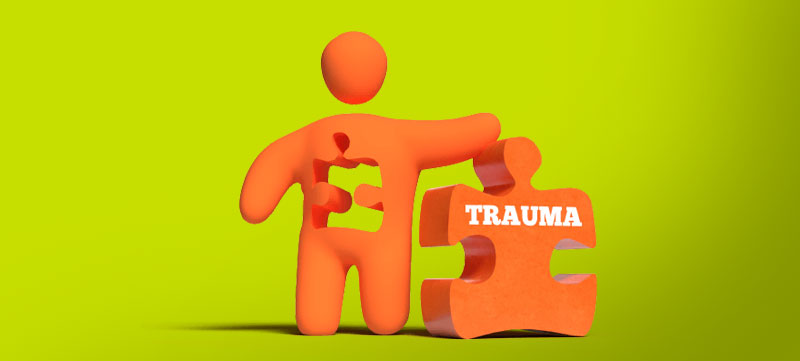
Trauma is a powerful word that often brings to mind intense, life-altering experiences. However, the true nature of trauma extends far beyond a single event or memory. Trauma can subtly and profoundly shape our mental and physical well-being, embedding itself deep within our nervous system. Understanding how trauma affects both the mind and body is crucial for those seeking healing and those supporting others on their healing journey. This post will explore the concept of trauma, its impacts on our overall health, and how specialised treatments like Brainspotting can offer a path to deeper healing.

What Is Trauma?

Trauma can be defined as an emotional response to a deeply distressing or disturbing experience. This experience could be a single event, such as a car accident or natural disaster, or a series of events, like prolonged abuse or chronic neglect. However, trauma is not just about the event itself; it’s about how the individual’s nervous system processes and stores the experience.

When someone encounters a traumatic event, the body’s natural response is to go into survival mode. This is often referred to as the “fight, flight, or freeze” response. The brain releases stress hormones like cortisol and adrenaline, which prepare the body to deal with the threat. In an ideal situation, once the danger has passed, the body would return to its normal state, and the memory of the event would be processed and stored in a way that doesn’t interfere with daily life.

However, trauma can disrupt this process. Instead of being processed and filed away as a past event, the traumatic experience can become stuck in the nervous system. This is why someone might feel as though they are constantly reliving the trauma, even years after the event.

Trauma in the Mind

The psychological effects of trauma are well-documented. Individuals may experience symptoms of post-traumatic stress disorder (PTSD), which can include flashbacks, nightmares, severe anxiety, and uncontrollable thoughts about the event. Trauma can also lead to other mental health issues like depression, anxiety, and dissociation.

These psychological symptoms are often the result of how trauma alters brain function. The amygdala, the brain’s fear centre, becomes hyperactive, leading to an exaggerated sense of danger. The hippocampus, which is responsible for memory processing, can shrink, making it difficult to distinguish between past and present threats. The prefrontal cortex, which is responsible for decision-making and self-regulation, can become less effective, leading to problems with concentration and emotional control.

Trauma in the Body

While the psychological effects of trauma are widely recognised, its impact on the body is often overlooked. Trauma doesn’t just live in the mind; it’s stored in the body as well. This concept is crucial for understanding the full scope of trauma’s effects and the path to healing.

When trauma is stored in the body, it can manifest as chronic pain, tension, or unexplained physical symptoms. People may experience headaches, gastrointestinal issues, or muscle tension that seems to have no clear cause. This is because the nervous system remains on high alert, even when there is no immediate threat. The body stays in a state of hypervigilance, with muscles tense and stress hormones elevated.

Over time, this chronic state of stress can lead to long-term health issues. The immune system can become compromised, making the body more susceptible to illness. The constant release of stress hormones can lead to conditions like hypertension, heart disease, and diabetes.

The Need for Deeper Healing

Given the profound impact of trauma on both the mind and body, healing requires more than just talk therapy. While traditional therapies can be helpful, they often focus primarily on cognitive processing and may not fully address the physical manifestations of trauma. This is where deeper healing modalities, such as Brainspotting, come into play.

Brainspotting is a relatively new therapeutic technique that targets the physical and emotional aspects of trauma stored in the body. Developed by Dr. David Grand, brainspotting involves identifying specific points in the visual field, known as “brainspots,” that correlate with areas of the brain where trauma is held. By focusing on these brainspots, individuals can access and process traumatic memories on a deeper level, allowing the body and mind to release the trauma more effectively.

During a brainspotting session, the therapist will guide the client to focus on a particular brainspot while maintaining awareness of their physical and emotional sensations. This dual focus allows for the integration of both mind and body in the healing process. As the individual processes the trauma, they may experience a release of physical tension or emotional distress, leading to a profound sense of relief and healing.

Conclusion

Trauma is a complex and multifaceted experience that affects both the mind and body. Understanding how trauma is stored in the nervous system and recognising its physical manifestations is crucial for effective healing. Techniques like brainspotting offer a promising path to deeper healing by addressing the trauma stored in the body and allowing for a more holistic recovery. If you or someone you know is struggling with the effects of trauma, exploring these deeper healing modalities could be the key to unlocking a healthier, more balanced life.

Healing from trauma is not just about addressing the mind; it’s about embracing the connection between mind and body, acknowledging the impact of trauma on the entire being, and seeking comprehensive, integrative approaches to recovery.

More about Sally...

I’m Sally – late-identified AuDHD, deeply sensitive and still unravelling. I’m a somatic, trauma-informed coach specialising in supporting neurodivergent adults, particularly those exhausted by masking, navigating late-diagnosis grief or trying to cope in a world that wasn’t built for their nervous systems.

My approach is gentle, body-led and deeply relational. I support people who’ve spent years holding it all together, often labelled as ‘too much’ or ‘too sensitive’, to finally feel safe enough to exhale. 

My work is rooted in a trauma-informed understanding of the nervous system, and using  Brainspotting, Parts Work, and somatic tools, I support people in recognising that what often gets labelled as anxiety, burnout or emotional dysregulation is often the body’s brilliant response to chronic stress, masking, or survival mode. Together, we explore the impact of past experiences on the present, to gently unhook from old patterns and reconnect with the parts of you that were never broken, only protecting you.

Outside of this work, I ground myself in nature  – walking in the woods or dipping into cold water to reset. These moments of stillness shape how I hold space for others: slow, attuned, and always with care.

If you’re craving a space where your nervous system doesn’t have to perform – just be felt, honoured, and understood – I’d love to walk alongside you.

More about Dan...

Neurodiversity-Affirming, Trauma-Aware Coach

I’mDan, a somatic, trauma-aware coach. Most of the people I work with are trying to figure out why life feels sobloody hardsometimes, even whenthey’redoing all the right things. 

I support adults who feel burnt out from masking, overwhelmed by the daytoday, or worn down by the effort of fitting into everyone else’s version of normal. Many of the people I work with areAutistic or ADHD, but not everyone is, what matters is how you experience and make sense of things. 

Like most of my clients,I’vebeen there too, years of keeping up the act, overthinking everything, and pretending I was fine when Iwasn’t. I do this work because I know how much difference it makes when someone finally meets you where you are, no masks and no judgement, just understanding. 

My approach is practical and collaborativeto help you make sense ofwhat’sreally going on underneath and work with your nervous system, not against it. Some sessions arepracticaland some are slower. You can show up exactly as you are andwe’llfollowwhat’suseful, not a plan someone else wrote. 

WhenI’mnot coaching,you’llprobably findme out walking, cooking a roast big enough for leftovers, or reading crime fiction on my Kindle. 

More about Suzanne...

My mission is to help as many people as possible find happiness and live their lives to the fullest. I provide a safe and nurturing environment where clients can get curious about their past trauma, understand the connection between mind and body, and reclaim their power in the present.

I believe that everyone deserves to be seen and heard, without judgment or repercussions. In our 1-on-1 sessions, you have the freedom to express yourself authentically, to delve into your emotions, thoughts, and experiences. Together, we’ll create a safe space where you can get curious and start to grow at your own pace. By working somatically with the body, we tap into the power of sensations and help you develop a deeper understanding of how past trauma manifests in the body and shows up in the present.

Through guided exploration, we’ll identify the parts of you that have been shaped by feelings and core wounds of unworthiness, not being good enough, not important enough and unlovable. With compassion and curiosity, we’ll nurture your inner child, offering the love and support they’ve always needed. Together, we’ll navigate through the challenges of overwhelm, stress, anxiety, and more. We’ll discover the power of selflove, self-care, and self-acceptance. You’ll embark on a journey of growth, where you’ll find your voice, rebuild confidence, and live a life aligned with your true essence. 

More about Michelle...

A few years ago, I began my own healing journey. Like many people, I didn’t think of myself as someone who had experienced trauma. But through working with a trauma-informed coach, I started to see how past experiences had shaped my emotions and behaviors. That journey changed everything for me.

I became certified in somatic trauma-informed coaching and trained as a Brainspotting practitioner, learning how to connect with emotions stored in the body and approach healing with curiosity and compassion. Now, I’m on a mission to share these transformative tools with others.

All That We Are was born from this passion. It’s about raising awareness of trauma, helping people connect with their emotions, and offering practical, compassionate support. We want to normalize the conversation around trauma because, we’ve all experienced it in some way.

Outside of work, my life is all about connection and growth. My husband and I homeschool our son, which has been an incredible adventure and a constant reminder of the joy in learning together. I’m also a huge fan of ice baths—I love the challenge, the clarity, and the sense of calm they bring (yes, really!).

I believe everyone deserves to feel seen, heard, and valued—and I’m here to help people realize they are enough, just as they are.

Through workshops, 1-2-1 coaching, and education across schools, workplaces, and beyond, my amazing team and I are here to support you on your journey to becoming whole, happy, and fulfilled.

Let’s take the first step together. You’re not alone.